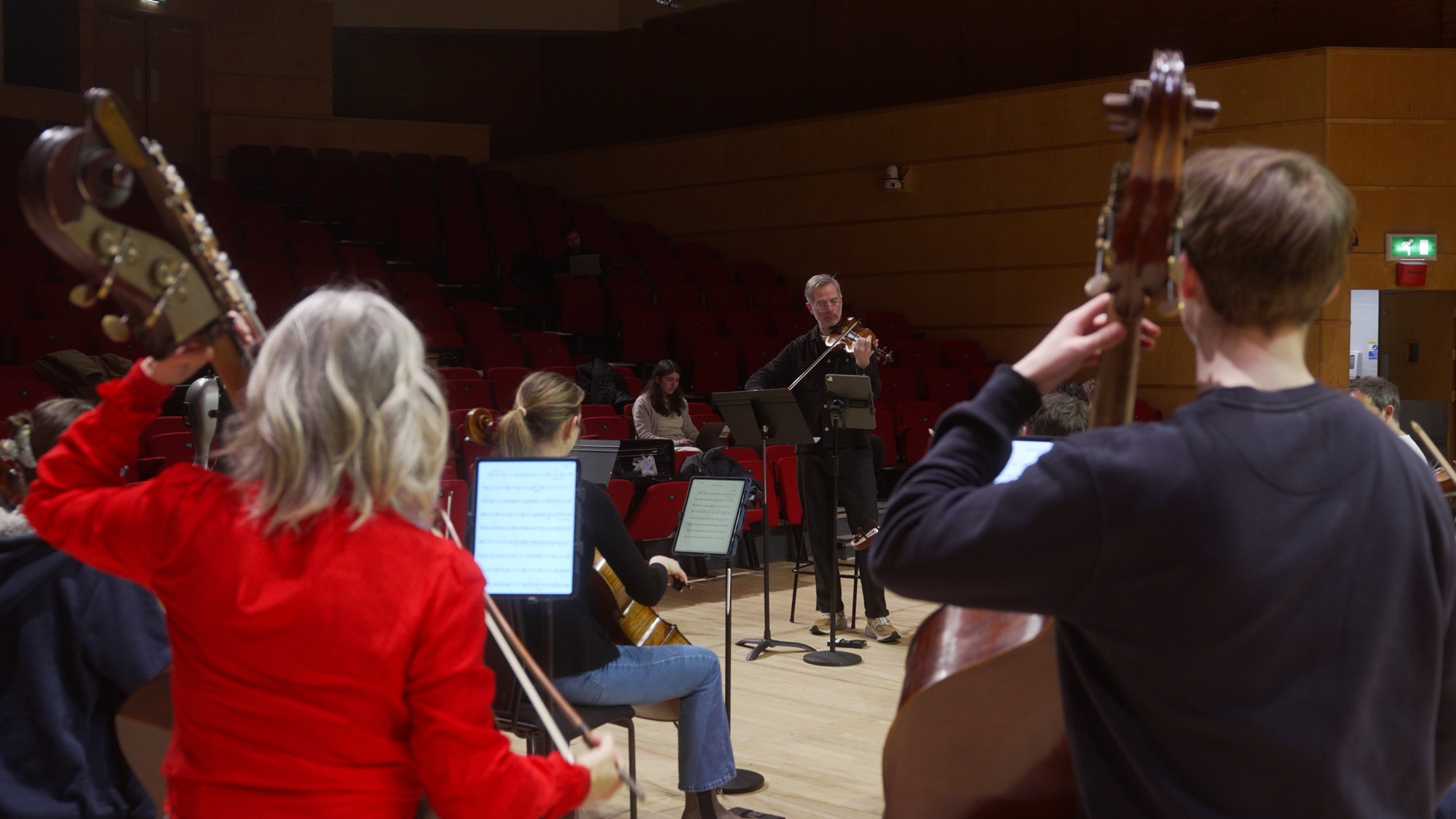
Classical music used to be discovered in concert halls and record shops. Now it is discovered on screens. That changes what artists and ensembles need from a recording, and video has moved from a nice extra to the centre of the picture.
Where Audiences Actually Are
Ask where people first encounter a classical artist today and the honest answer is a phone. A clip shared on Instagram. A performance on YouTube. A thirty second excerpt that convinces someone to listen to the full album, buy a ticket, or book the artist.
The listening still matters. Streaming is where the music lives and the audio has to stand up to repeated, close attention. But the discovering happens with the eyes as much as the ears. An artist without video is invisible in the places where new audiences are actually looking.
This is not a lament about attention spans. It is just where the audience went. Promoters check video before they book. Competition panels watch as well as listen. Labels planning a release expect a visual campaign alongside the recording. The industry has already made the shift.
What This Means for Classical Artists
For most of the last century, a classical artist needed one recorded product: the album. Now a release without visual content is a release that cannot travel. The music needs a music video or a filmed performance for YouTube. The campaign needs short cuts for social media. Press needs an artist film that shows who the performer is, not just how they sound.
None of this replaces the recording. It carries the recording to the people who would never otherwise find it.
The ensembles and artists we work with feel this directly. A concert that is filmed reaches an audience many times the size of the hall. An album with strong visual content gets picked up, shared and remembered. The same performance without it reaches the people who were already listening.
"An artist without video is invisible in the places where new audiences are actually looking."
The Catch: Video Cannot Compromise the Audio
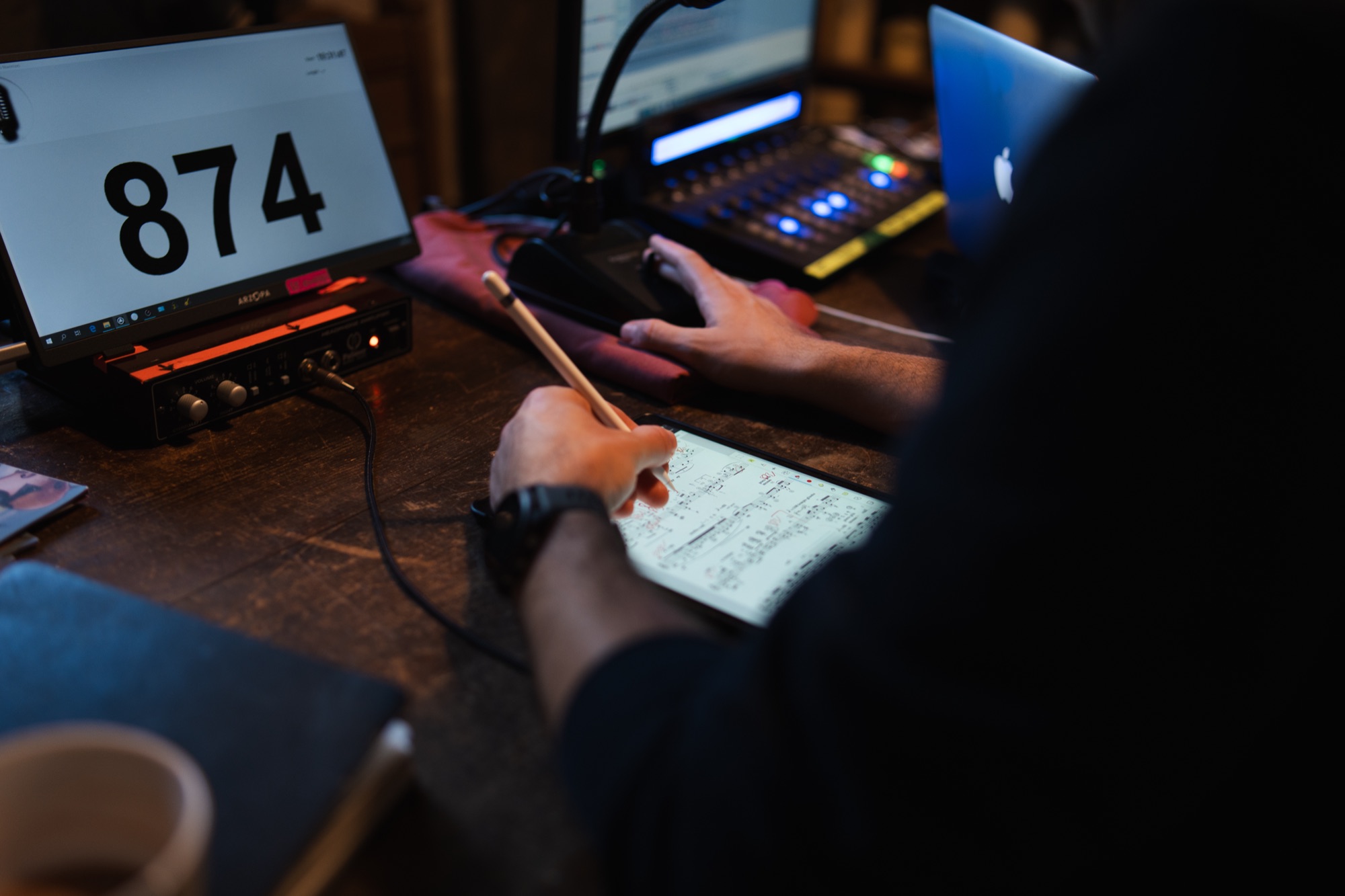
Here is the tension. Classical music is unforgiving of poor sound, and a video is only as good as the performance it carries. Adding cameras to a session the wrong way makes everything worse: operators moving during quiet passages, camera positions fighting microphone placement, and a final edit where picture and sound were never planned together.
This is why bolting a video crew onto an audio session, or an audio team onto a shoot, so often disappoints. Two teams, two briefs, two sets of priorities, and the music caught in the middle.
The way through is to treat audio and video as one production from the first conversation. Microphone placement and camera angle decided together. One team in the room, working to one plan, editing one project. The recording keeps its integrity. The video looks intentional rather than captured. And the result works everywhere it needs to: streaming platforms, social media, press, broadcast and archive.
What We Have Seen
Our work for Sean Shibe's album Vesper is a useful example. The music videos and artist film were made alongside the recording sessions, and were featured by Gramophone as their Video of the Day. The films carried the album to audiences well beyond the usual channels, and the photography from the same sessions appeared in the magazine itself.
That reach did not come at the cost of the recording. It came from planning sound and picture as one project from the start.
For any artist or ensemble planning a recording this year, the question is no longer whether to include video. It is whether the video will be made with the same care as the sound.
Enjoyed this?
GET THE NEXT ONE BY EMAIL.
A few notes from the studio each year. No noise, unsubscribe anytime.
Interested in working together?
YOUR MUSIC DESERVES TO BE SEEN AS WELL AS HEARD.
Tell us about your project and we will respond within 24 hours.
Get in Touch